
Personality in the workplace
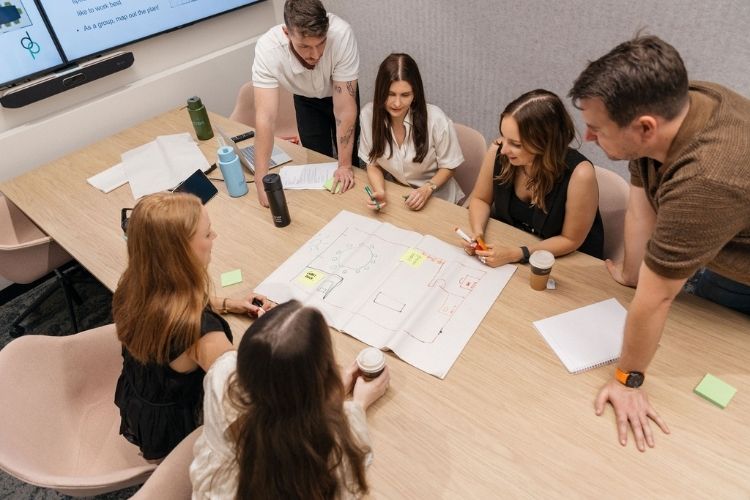
Is it really just a "personality clash"?
“It’s just a personality clash." “There are too many personalities.” “We’re just different.”
We’ve all heard these phrases tossed around in workplaces (or may have been the one doing the tossing...). While navigating different personalities in the workplace can feel challenging, many businesses overlook the hidden advantage of personality diversity.
It’s easy to place cultural issues under the “too many personalities” umbrella. But, every personality brings unique qualities and strengths to a work environment, particularly when they are understood and nurtured.
Recognising personality differences as assets is a powerful step toward strengthening and elevating your workplace culture. Failing to consider this could be preventing your team from performing to their full potential.
The Myers-Briggs Type Indicator (MBTI)
There are countless personality frameworks, but one of the most widely recognised (and personal favourite of mine) is the Myers-Briggs Type Indicator (MBTI). Developed in the 1940s by Katharine Briggs and Isabel Myers, MBTI was designed to make Carl Jung’s theory of psychological types practical for everyday life.
Today, it’s used globally to help individuals and teams understand preferences in thinking, decision making, and ways of interacting with others.
MBTI groups personalities into four categories, all of which have their own strengths:
- The Analysts – Rational, strategic thinkers who excel at problem-solving and long-term planning. They thrive in roles requiring innovation and logic.
- The Diplomats – Empathetic and values-driven, these individuals prioritise harmony and relationships. They shine in roles involving collaboration and people development.
- The Sentinels – Practical, reliable, and structured. Sentinels keep teams organised and ensure stability. They’re the backbone of process and compliance.
- The Explorers – Flexible, energetic, and action-oriented. Explorers adapt quickly and bring creativity to fast-changing environments.
Leaning into different strengths
A team with all four personality types works like a well-oiled machine – thinkers, connectors, planners and doers, all playing their part, and that sounds like a team I’d like to be part of!
So, why does personality matter in the workplace? Personality doesn’t just influence how people communicate, it shapes how they interpret tone, manage stress, and approach problem-solving. And let’s be real, these are critical skills for a successful workplace. Let’s dive into some examples here.
Feedback
An analytical personality might prefer direct, data-driven feedback, while a diplomatic personality values empathy and context. When leaders understand these nuances, it will allow them to tailor their communication and management style, suited to individual preferences.
Doing this enables leaders to understand how and most importantly why team members may respond in a particular way, which can aid in reducing friction and misunderstandings.
Stress
Individual stress responses also vary. Some personalities thrive under pressure and move quickly, while others need structure and reassurance.
Recognising these patterns will guide a leader’s approach in managing their team, specifically understanding – how to allocate tasks effectively, provide adequate support, and prevent burnout and high turnover rates.
Conflict Resolution
Conflict resolution is another area where personality plays a critical role and can very quickly open a can of worms if not handled with care. A team member who values harmony may avoid confrontation, while another who prioritises logic might dive straight into debate, creating tension for everyone involved.
Leaders don’t need a crystal ball to prevent these situations from occurring, what they need is foresight. By understanding personality patterns, leaders gain the ability to anticipate friction points and address them before they escalate. And I don’t know about you, but that sounds like magic to us.
Personality diversity isn’t a liability; it’s a strength
When leaders understand and nurture different personality styles, they unlock a more resilient workplace culture.
If you’d like support understanding your team’s personality dynamics or interesting in psychometric testing, get in touch with our Resourceful Humans.
Tiegan is a HR professional with broad experience across generalist HR functions and operational leadership. She takes a relationship-driven approach to partnering with businesses, working closely with people leaders to cut through complexity and deliver practical, people-focused solutions. Tiegan is passionate about creating environments where leaders feel supported and teams can perform at their best.