
Who’s guiding your technology decisions, and who’s accountable for them?
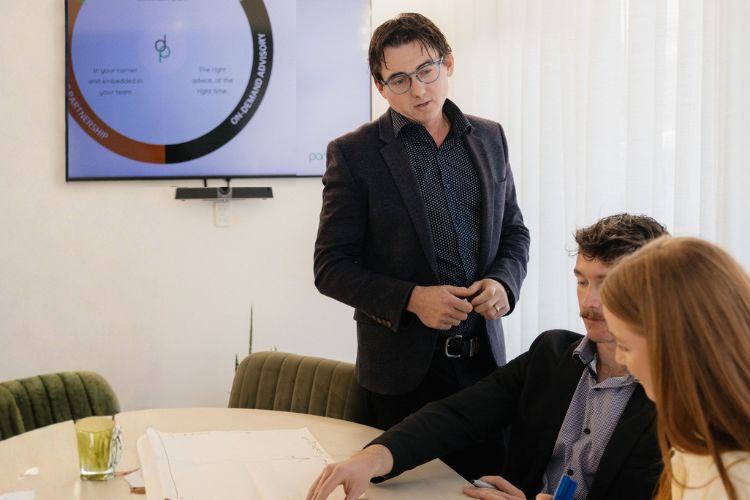
You’re juggling multiple systems with overlapping capabilities. Your tech costs are growing, and everyone’s talking about AI, which is more than just noice considering your technology is holding things up instead of making work easier
As a business leader, it’s worth asking: who is guiding your technology decisions, and who is accountable for how they turn out?
There’s no single right answer for every business. Here, we look at the four most common ways small businesses handle their technology, from leaning on your providers or someone in-house, to outsourcing to a trusted advisor. We cover how each one works, to provide clarity on what best applies to your business.
Option 1: Your IT support provider and software vendors
Many businesses rely on the people who already look after their technology. Your IT support provider sets up accounts, fixes laptops and keeps things running day to day. Software vendors know their own products inside out, and many give great support. It makes sense to lean on them.
When it works: Keeping things running smoothly and getting the most out of the products you’ve already chosen.
Where it gets tricky: Keeping things running is a different job from deciding where your technology should be heading and remaining fit-for-purpose. Each provider or vendor also has their own focus and itinerary , leading to recommend solutions that include more from their dedicated ecosystem and partnerships.
It also means no one is looking at the bigger picture: how your systems fit together or whether a new tool is the right fix at all. (We explore this more in our blog, Is it people, processes or technology?)
Option 2: Whoever got IT tacked onto their day job
This is a lot more common than people like to admit. It’s often the business owner, the operations manager, or the person on the team who’s “good with computers”.
When it works: Early on, when you have a handful of tools and rely on manual processes, costs are manageable, and you don’t have a large team that each needs their own licence/s.
Where it gets tricky: As a business grows, so do the number of systems and subscriptions, the cost of licences for each new team member, and the privacy and security obligations that come with them. Technology decisions have become more complex to navigate (they don’t need to be, if you have the right guidance). When someone is stretched into an area outside their experience, a couple of things tend to happen:
- Decisions take longer or key considerations get missed, because when someone is busy with their main role, the extras get pushed aside
- Handling it yourself might seem like a cost saving, but over time the inefficiencies, slow progress and decisions made without the bigger picture in mind can come at an enduring cost.
3. A fractional technology leader
If you haven’t come across this option, or assumed your business was too small for it, it’s worth taking a look.
Fractional technology leadership means having a senior leader work with your business part-time. You get the same experience and the same involvement in decisions as a senior hire, sized to what you need. That might be a few hours a month to start, more during a big project, then scaling back again.
In practice, a fractional IT leader might:
- map out your current state architecture i.e. what systems you have, the purpose, and how they fit together
- assess the cost of the current technology setup, find duplication or manual work that could be consolidated or automated,
- help you prioritise where to invest first, and what can wait
- review vendor contracts and join sales conversations, so you’re never deciding blind
- check how your technology, policies and processes stack up against privacy and security obligations
- guide your team through changes, so new systems actually get used
When it works: For growing businesses where technology has become too important to keep deciding on the fly. It's also a good option if you have a technology project that needs someone to lead it and be accountable for keeping it on track, or smaller businesses that need senior-level expertise but don’t have the need (or budget) for a full-time role.
A big bonus is that you can skip lengthy recruitment process. Finding a senior technology person takes time and most people won't be available to start until they've worked out their notice period. With a fractional leader, you skip the recruiting and onboarding and get support straight away. As consultants, they also bring experience and insights from a wide range of industries and business types, and solutions that are just as varied.
Where it gets tricky: If you’re not used to outsourcing part of your business, it can take some adjustment. But most small businesses have already outsourced something, like their accounting, HR or marketing, so it often feels more familiar than expected. They become a genuine part of your team.
4. A dedicated, full-time IT hire
When it works: For larger businesses with enough ongoing technology work to fill a senior full-time role. An in-house leader’s sole focus is your business.
Where it gets tricky: One person rarely brings every skill you need, from strategy and vendor contracts, uplifting performance and capabilities, to security and compliance.
Senior technology people are a significant cost once you add salary, super and leave, and finding the right person takes time. Furthermore, if your needs or budget change, a full-time role is hard to dial back. They also don’t have the continuous external exposure and ability to adapt without you funding their travel and learning.
So, which one fits your business?
A few questions to ask yourself:
- Is managing technology taking time away from someone’s actual role?
- When a big technology decision comes up, who weighs up the options, and importantly, is there someone accountable for the result?
- Are you planning to grow, change systems or implement AI?
Want to find out if fractional support could work for you?
Davy Partners Digital provides fractional IT leadership with businesses of all sizes, whether you’re after ongoing support or have an immediate concern.
Book a free 20-minute call with Michael, our Director of Davy Partners Digital, to talk through where your technology is today and where it needs to be.

Michael is a digital strategy and delivery professional with over 15 years of experience across corporate and government sectors, spanning IT business partnership, portfolio management, and complex program delivery. He partners with organisations through active listening and a design thinking approach, known for his ability to understand client needs deeply, build genuine buy-in, and translate complexity into clear, actionable direction. Michael is passionate about the full journey.